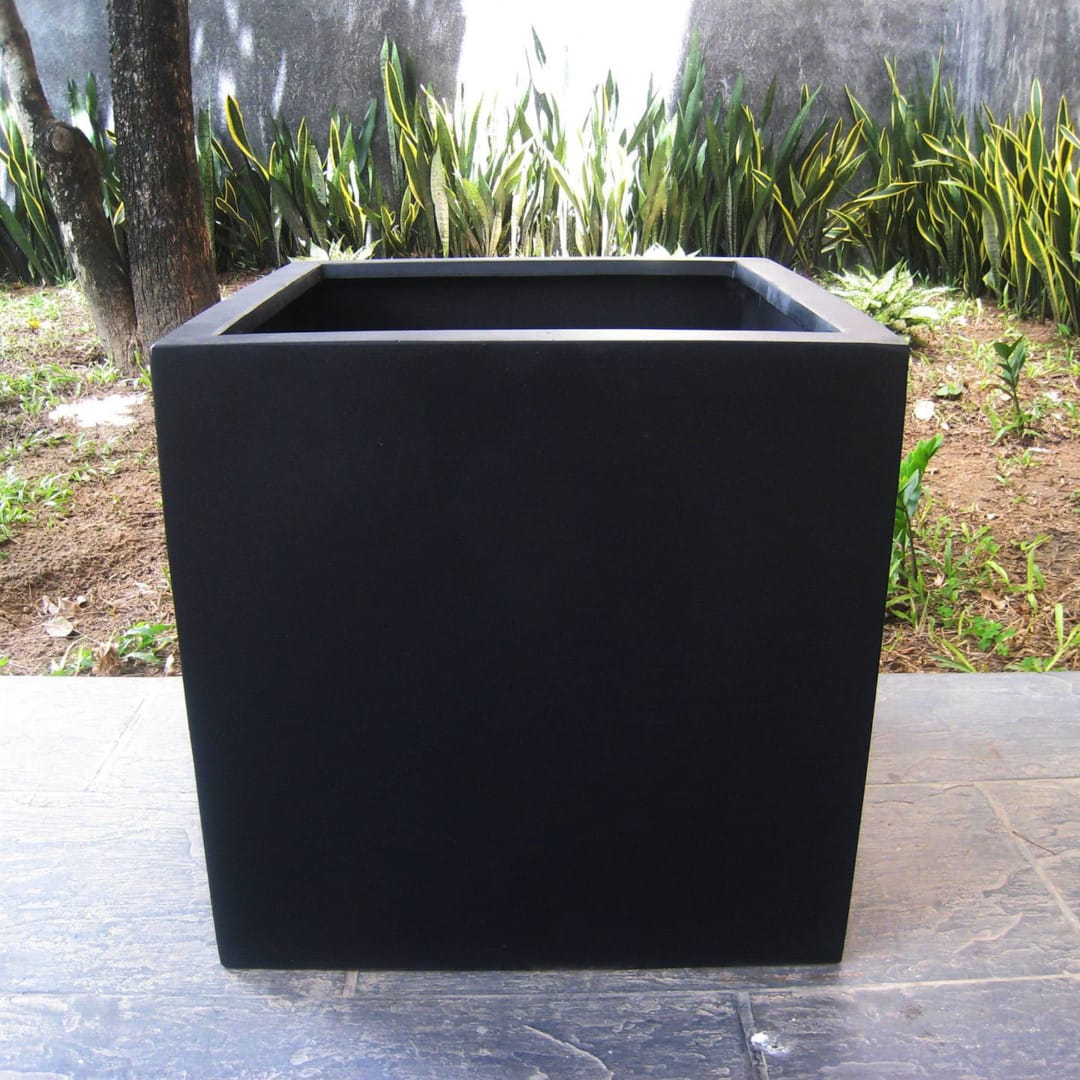

About Polystone Resin Cube Planter
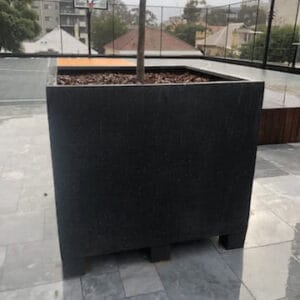
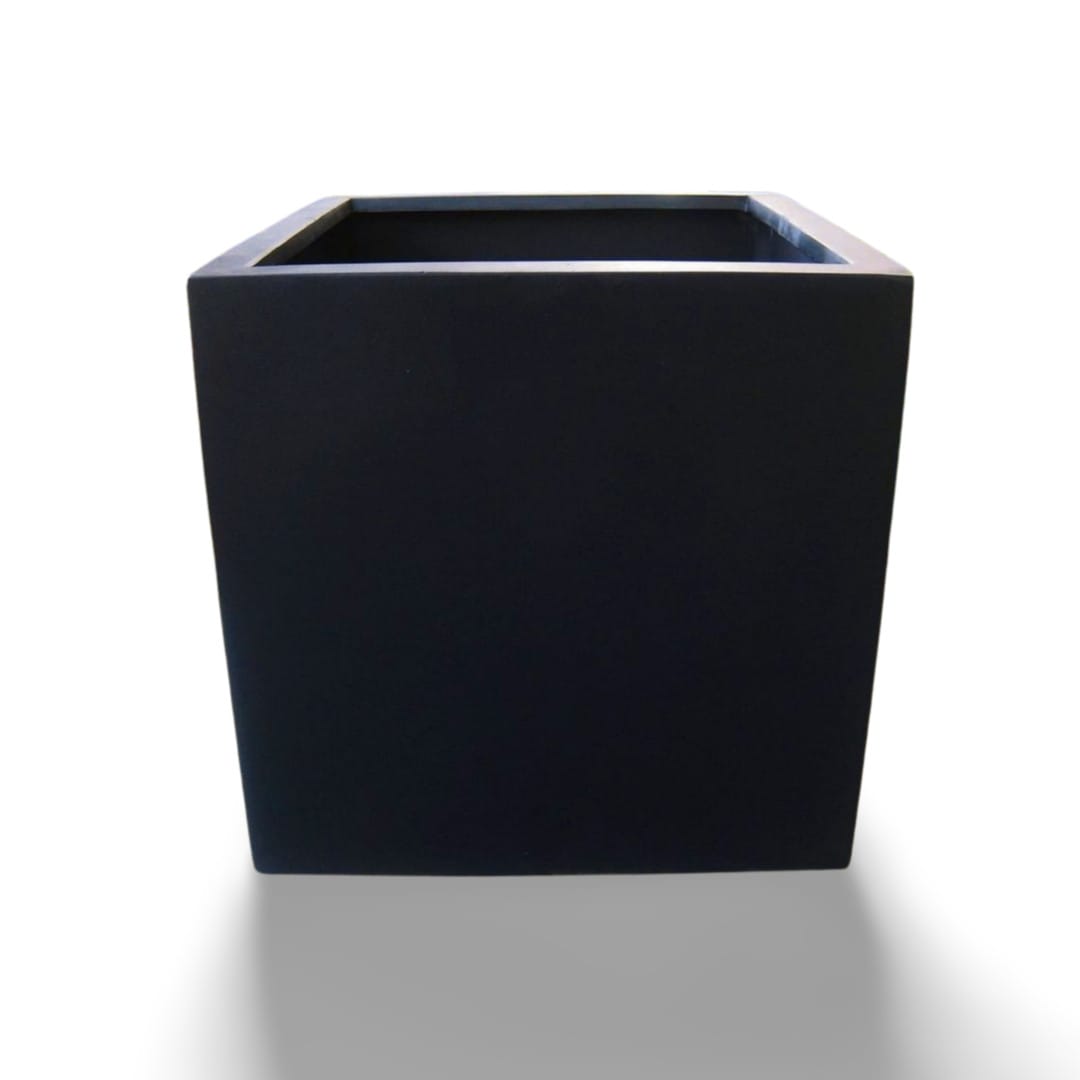
A round pot sheds outward soil pressure around its curve. A square one has nowhere to send it: wet potting mix pushes straight against four flat panels, and an unreinforced wall will bow. Every cube in this range is fully reinforced through the perimeter walls, which is the reason the sightlines stay straight and plumb at the larger end of the size run, season after season.
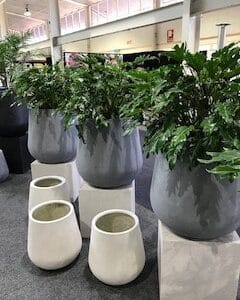
Some sizes go further, with vertical and horizontal bracing moulded into the interior. Those cubes carry enough compressive load to be inverted and used as a plinth, which is a practical way to lift an urn, a water bowl or a garden sculpture clear of the paving so it reads at eye level instead of ankle level.
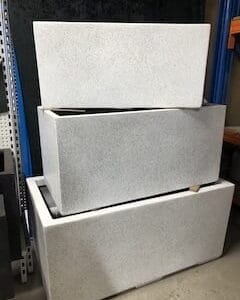
The ladder runs from CG5001/20 (20 x 20 x 20) to CG5001/110 (110 x 110 x 110) in eight steps, close enough together to set a repeating rhythm along a boundary wall, a pool surround or an entrance foyer without falling back on odd sizes. For the same geometry lifted off the ground, the Polystone Resin Cubes On Feet Planter sets the identical cube on five integrated legs. Bracing varies with the production run, so contact us about a product or project and we will check which braced sizes are currently available.
Which sizes feature the internal bracing required for inverted plinth use?
Bracing is moulded in on selected production sizes only: vertical and horizontal ribs that take the downward load once the cube is flipped. Ring or email the Malaga showroom team before you order and we will check current stock against that dual-purpose structural rating.
Why do square planters need reinforced walls when round ones do not?
Wet soil pushes outward, and a flat panel has no curve to carry that load around. Continuous reinforcement is embedded in the Polystone Resin matrix while the cube is moulded, so the walls hold a straight line rather than bellying out or distorting over a few wet seasons.
What goes in the base before the potting mix?
Check first that the bottom drainage holes are clear of moulding residue. Cover them with geotextile fabric or synthetic drainage mesh, add a shallow layer of coarse aggregate or a drainage cell, then fill with a quality mix formulated for container growing rather than garden soil.
Can large sizes like the CG5001/90 or 110 be positioned on timber decks?
Soil and water together make a 90 cm or 110 cm cube heavy, and all of that mass sits on a small footprint. Have a builder or structural engineer verify joist and subfloor capacity before either size goes onto timber decking or a suspended balcony.
Does the composite surface need anything beyond a hose-down?
Rarely. The composite skin is smooth and closed, so airborne dust and garden splash lift off with warm water, a soft sponge and a little liquid detergent worked flat across each panel. Keep solvent-based cleaners and wire pads away from it: scratches show up badly on a flat face that catches the light.